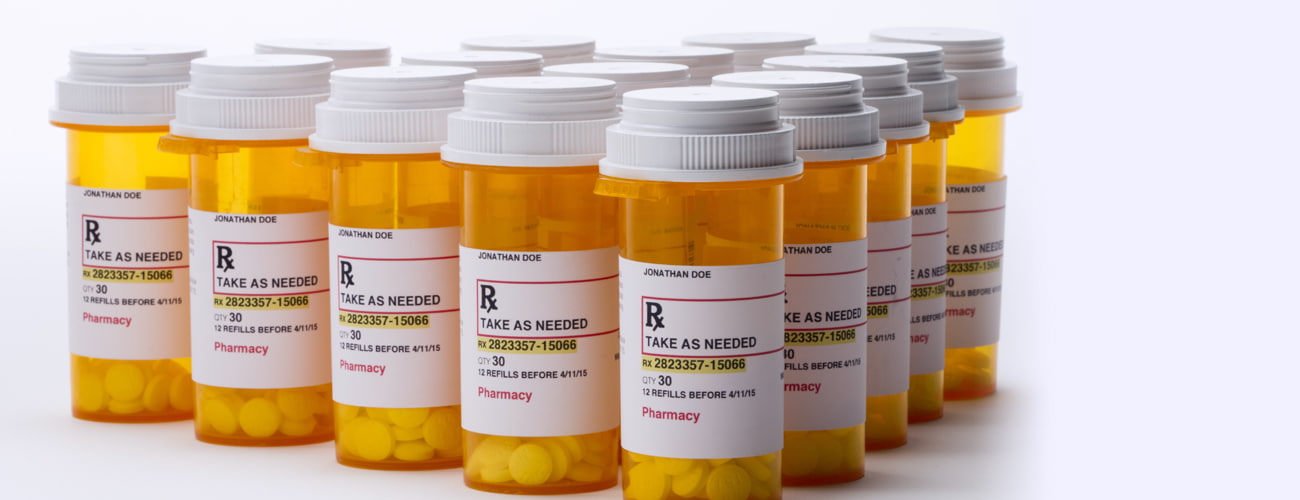
The boom in weight-loss and diabetes drugs like semaglutide and tirzepatide has pushed many patients toward compounded versions, often cheaper and easier to get than the brand-name injections. That demand has also exposed serious problems in how some compounding pharmacies prepare and label these medications. Federal regulators have cited compounding pharmacies for sending out compounded GLP-1 injections that lacked basic labeling, including the strength, the dose, and instructions for how to administer the drug. In at least one case described by regulators, a patient was hospitalized for several nights after taking a compounded semaglutide injection.
How a Missing Label Becomes an Overdose
These drugs are measured in small amounts, and the gap between a correct dose and a harmful one can come down to a few units on a syringe. When a vial arrives without a clear strength or dosing instruction, a patient drawing up their own injection is left guessing. Pull too much, and the result can be severe nausea, vomiting, dehydration, dangerously low blood sugar, and the kind of gastrointestinal distress that lands people in the emergency room. A pharmacy’s labeling carries real weight. It is the instruction set a patient relies on every time they prepare a dose, and a missing or wrong label invites exactly the kind of error that injures people.
When Pharmacy and Compounding Errors Lead to Liability
Pharmacies have a duty to dispense medications accurately and to label them so patients can use them safely. When a compounding pharmacy mislabels a drug, prepares the wrong concentration, or fails to provide dosing instructions, and a patient is hurt as a result, that failure can support a claim for the harm it caused. The same holds for more familiar pharmacy mistakes, such as dispensing the wrong drug, the wrong strength, or the wrong directions on the bottle. Proving these cases depends on evidence, so patients who suspect a medication error should hold on to what they have:
Continue reading ›
 Pharmacy Error Injury Lawyer Blog